- HOME
- Services
- SILVER&GEMS
- EVIL EYE&SILVER
- RAW GEMSTONES
- COPPERS ITEMS
- OILS & COLOGNES
- ROOTS,HERBS&SEEDS
- (Vii) GREAT TESTIMONIES
- (i) GREAT TESTIMONIES
- (ii) GREAT TESTIMONIES
- (iii) GREAT TESTIMONIES
- (IV) GREAT TESTIMONIES
- (V) GREAT TESTIMONIES
- (Vi) GREAT TESTIMONIES
- POWERFUL SECRET KEYS
- TEACHINGS BLOG
- TIME WITH MASTER CONNI
- SUPPORT THE LIGHT,MAKE A DONATION
- WRITE TO US
- ADRESS
- GALLERY
Herbal Remedies and Their Mystical Origins: Discovering Traditional Uses
The Enchanting World of Herbal Remedies
The use of herbal remedies has captivated human imagination for centuries, weaving a tapestry of **mystical origins** and practical applications. From ancient shamans to modern practitioners, herbs have played a crucial role in healing and spiritual practices. In this exploration, we'll delve into the traditional uses of these natural wonders and uncover the stories behind their mystical allure.

Ancient Beginnings: The Dawn of Herbal Medicine
Herbal remedies date back to the dawn of civilization. Early humans discovered that certain plants could alleviate pain, heal wounds, and treat various ailments. This knowledge was passed down through generations, often shrouded in mystery and magic. In ancient Egypt, for instance, herbs like aloe vera were not only used for medicinal purposes but also in spiritual rituals to honor the gods.
In China, traditional herbal medicine has been practiced for thousands of years. Chinese herbalists developed an intricate understanding of plant properties, using them to balance the body's energy. The roots of ginseng, for example, were believed to enhance vitality and longevity, a belief that still persists today.
The Mystical Significance of Herbs
Herbs have long been associated with mystical properties. In various cultures, they were seen as gifts from the gods, imbued with magical powers. The Druids of ancient Europe, for example, believed that certain herbs could protect against evil spirits and bring good fortune. The use of mistletoe in rituals underscores this mystical association.
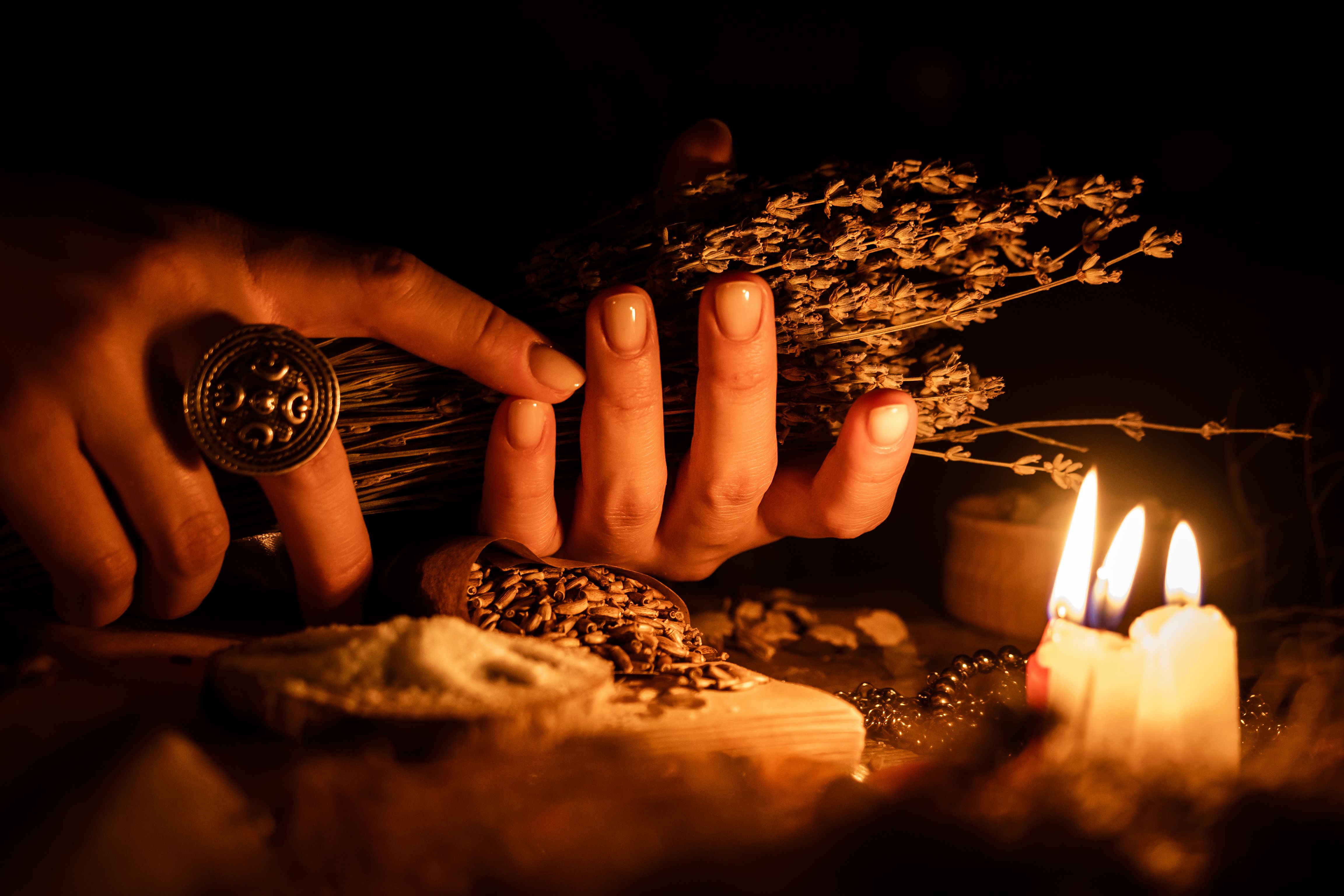
Many herbs were also connected to astrology and the celestial bodies. Medieval herbalists often aligned plant gathering with lunar phases, believing that timing influenced the potency of the remedies. This connection to the cosmos added an extra layer of mystique to herbal practices.
Traditional Uses Across Cultures
Herbal remedies have found a place in the traditional practices of many cultures worldwide. Here are a few noteworthy examples:
- Ayurveda: Originating in India, this ancient system of medicine uses herbs like turmeric and ashwagandha to promote health and balance.
- Native American Medicine: Indigenous tribes have long used herbs such as sage and sweetgrass in healing ceremonies and as purifying agents.
- Middle Eastern Remedies: In the Middle East, herbs like chamomile and mint are staples in both culinary and medicinal practices.

The Modern Resurgence of Herbal Remedies
Today, there's a growing interest in herbal remedies as people seek natural alternatives to conventional medicine. The **global wellness movement** has sparked a resurgence in the use of herbs for health and well-being. Essential oils, teas, and supplements made from traditional herbs are now widely available, providing a bridge between ancient wisdom and modern lifestyles.
Despite their widespread use, it's essential to approach herbal remedies with caution. Consulting with healthcare professionals and ensuring the quality and authenticity of herbal products is crucial for safe and effective use.
Embracing the Magic of Nature
The world of herbal remedies is a fascinating blend of science, history, and mysticism. By embracing these natural treasures, we connect with a rich heritage that spans cultures and centuries. Whether used for healing, spiritual growth, or simply enhancing daily life, herbs offer a profound reminder of the magic inherent in nature.
As we continue to explore and understand the potential of herbal remedies, we honor the traditions of our ancestors while paving the way for future discoveries. The journey into the mystical origins and traditional uses of herbs is a testament to the enduring allure and power of these natural wonders.